Where ideas become impact
SPD Labs
A collaborative space for research, innovation, and real-world social development projects.
Vision
SPD Labs aims to become a collaborative space for research, innovation, and practical learning in social policy and development — connecting students, faculty members, researchers, practitioners, communities, and partner organisations to create knowledge and projects that respond to real social challenges.
SPD Research Lab
Inquiry that informs change
SPD Research Lab is a platform for academic inquiry, student research, and collaborative knowledge production in the field of social policy and development.
Objectives
- Promote research culture among students and faculty members
- Support student-led and faculty-led research projects
- Encourage evidence-based policy analysis
- Build research collaboration with academic and professional partners
- Connect research findings with real social impact
SPD Project Lab
Turning ideas into action
SPD Project Lab is a practical learning space where students turn ideas into action. The lab supports student projects that address social problems and create meaningful community impact.
Objectives
- Encourage students to apply classroom knowledge to real-world challenges
- Support student-led social development projects
- Strengthen project design, teamwork, communication, and leadership skills
- Build collaboration with communities and organisations
- Create opportunities for students to become active changemakers
SPD Labs: A Talented Program
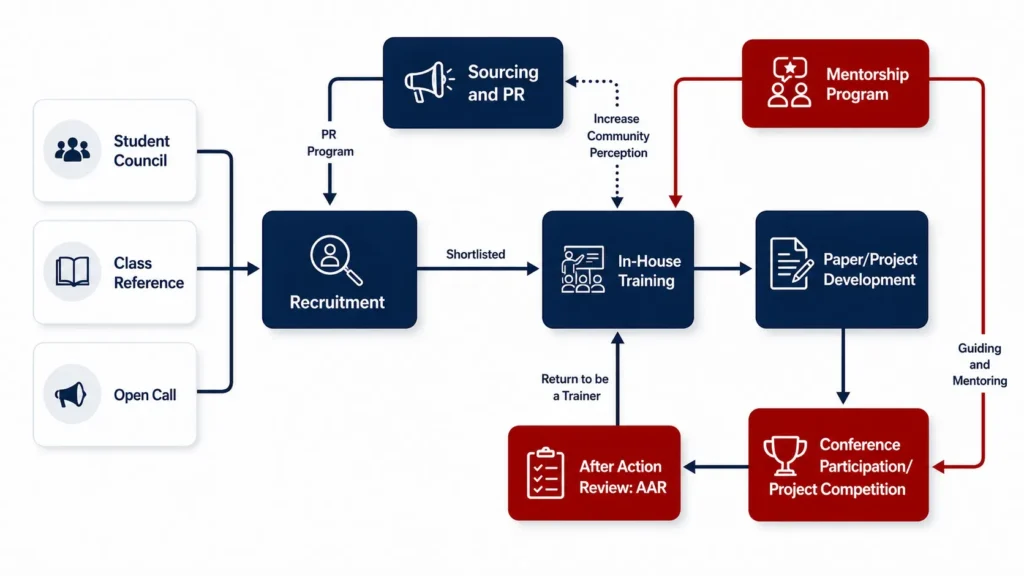
The SPD Labs are the flagship experiential learning hub of the Bachelor of Arts in Social Policy and Development (International Program) at Thammasat University. Designed to bridge academic theory with real-world impact, the SPD Lab empowers students to transform classroom knowledge into actionable policy projects, empirical research papers, and social innovations.
How the SPD Lab Works: The Student Journey
- Inclusive Recruitment & Open Access: Students enter the lab through multiple pathways—including Student Council nominations, faculty references, and open calls—ensuring every motivated student has the opportunity to build their portfolio.
- Specialized In-House Training: Shortlisted members undergo intensive capability-building workshops. These sessions cover advanced policy analytics, research design, and project management skills tailored to address modern social challenges.
- Mentorship-Driven Development: Working alongside dedicated faculty members and industry experts, students collaborate on original research papers and social enterprise projects, backed by continuous one-on-one guidance and academic oversight.
- Global Competitions & Conferences: Students showcase their final projects on international stages, presenting at academic conferences, participating in policy pitch competitions, and presenting solutions to government and NGO partners.
- Reflection & Peer Leadership (AAR): Every cycle concludes with an After Action Review (AAR) to evaluate impact. Graduating lab members return as student trainers and mentors, creating a sustainable, peer-led learning ecosystem.
SPD Lab: A Rocket to Your Future
- Real-World Portfolio: Graduate with published papers, policy briefs, and competition awards that set you apart for top-tier master’s programs and global career pathways.
- Expert Mentorship: Gain direct access to social development experts, policy researchers, and international organization partners.
Leadership & Community: Join a vibrant network of changemakers dedicated to promoting human dignity, social justice, and sustainable development.
The SPD Lab: Experiential Learning in Actions
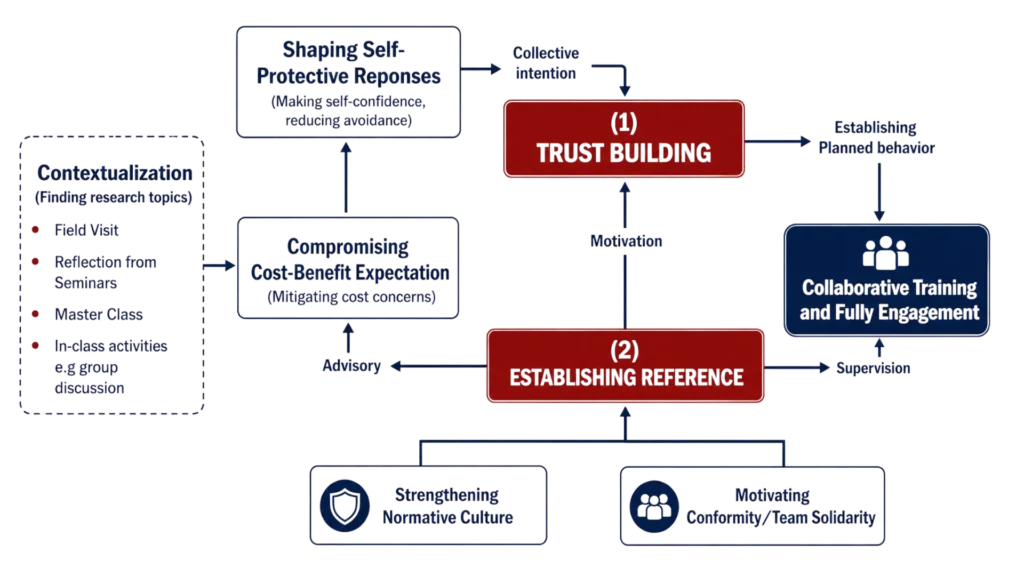
Beyond the classroom, the SPD Lab serves as our incubator for student-led research and social innovation. Using an inclusive recruitment pipeline—combining open calls, faculty recommendations, and Student Council nominations—the lab transforms ideas into published research and field projects.
How Our Training Model Builds Leadership
- Cultivating Strategic Initiative & Decision-Making
Leadership begins with identifying pressing problems before others see them.
- Real-World Framing: Rather than assigning fixed topics, we immerse trainees in field site visits, masterclasses, and policy trade-off debates, which align with the course curriculum.
- Autonomy & Ownership: Students are empowered to pitch original research questions, defend policy solutions, and take full ownership of their project direction from day one.
- Overcoming Fear & Building Risk Resilience
Fear of failure and academic self-doubt are the primary barriers to student leadership. Our training explicitly targets these psychological hurdles:
- Shaping Self-Protective Responses: We provide targeted advisory sessions that reduce research anxiety, helping students move past avoidance behaviors and embrace complex policy challenges.
- Trust-Building Incubator: By establishing a high-trust, low-risk environment, students learn to navigate uncertainty, accept constructive feedback, and make high-pressure decisions with confidence.
- Overcoming Fear & Building Risk Resilience
Fear of failure and academic self-doubt are the primary barriers to student leadership. Our training explicitly targets these psychological hurdles:
- Shaping Self-Protective Responses: We provide targeted advisory sessions that reduce research anxiety, helping students move past avoidance behaviors and embrace complex policy challenges.
- Trust-Building Incubator: By establishing a high-trust, low-risk environment, students learn to navigate uncertainty, accept constructive feedback, and make high-pressure decisions with confidence.
- Mastering Team Dynamics & Collaborative Governance
A true leader does not work in isolation; they mobilize others toward a shared vision.
- Normative Culture & Solidarity: Trainees operate in high-performing project teams where they practice active listening, conflict resolution, and peer accountability.
- Ethical Leadership: By embedding strict academic integrity protocols (such as Turnitin compliance and ethical research design), students learn to lead with transparency, fairness, and respect for human dignity.
- Executive Presentation & External Defense
Leadership requires persuasive communication that inspires action across diverse audiences.
- Authentic Stress-Testing: Trainees do not just submit papers for grades—they defend their work at national policy competitions, present at international conferences, and pitch directly to government and NGO stakeholders.
- Peer Mentorship & Legacy: The ultimate test of leadership is creating new leaders. Through our After Action Review (AAR) process, senior lab members “Return as Trainers,” mentoring the next cohort and driving sustainable organizational growth.
Step Up to Lead
The SPD Lab doesn’t just prepare you to enter the job market—it prepares you to shape it. Whether your goal is to lead international NGOs, formulate national policy, or drive social innovation, our In-House Training gives you the proven framework to turn your potential into executive leadership.
SPD Research Lab
Inquiry that informs change
SPD Research Lab is a platform for academic inquiry, student research, and collaborative knowledge production in the field of social policy and development.
Research Areas
Social welfare and social protection
Poverty and inequality
Migration and citizenship
Community development
Youth and education
Ageing society
Environmental justice
Gender and social inclusion
Human rights and development
Public policy and governancet
ICSD – SPD Research Lab
International Conference on Sustainable and Social Development (ICSD) moves beyond traditional academic theory. It empowers participants to design sessions, facilitate panel discussions, and tackle global challenges like inequality, community resilience, and sustainable development goals (SDGs).
ICSD is Active Learning Platform for Student Pursuing Academic Track
- Bridging Theory and Real-World Practice: SPD students spend years studying public policy, social welfare, and development models. ICSD acts as a real-world testing ground where students transform theoretical frameworks into actionable policy discussions and grassroots solutions.
- Leadership & Event Management Experience: Organizing a multi-stakeholder conference builds project management, public speaking, negotiation, and cross-cultural communication skills—crucial assets for future policy analysts, NGO directors, and development professionals.
- Direct Global & Local Networking: The conference connects SPD students directly with development practitioners, academics, civil society organizations, and peer change-makers. These connections open doors to internships, collaborative research, and career opportunities.
- Amplifying Youth Perspectives: Social policies often shape the future of younger generations, yet youth voices are underrepresented in policy-making. ICSD gives SPD students a platform to voice their perspectives on critical social issues to an international audience.
- Fostering Civic Engagement & Advocacy: Beyond academic growth, participating in ICSD deepens a commitment to social justice and sustainable development, empowering students to lead advocacy campaigns that create measurable social impact.
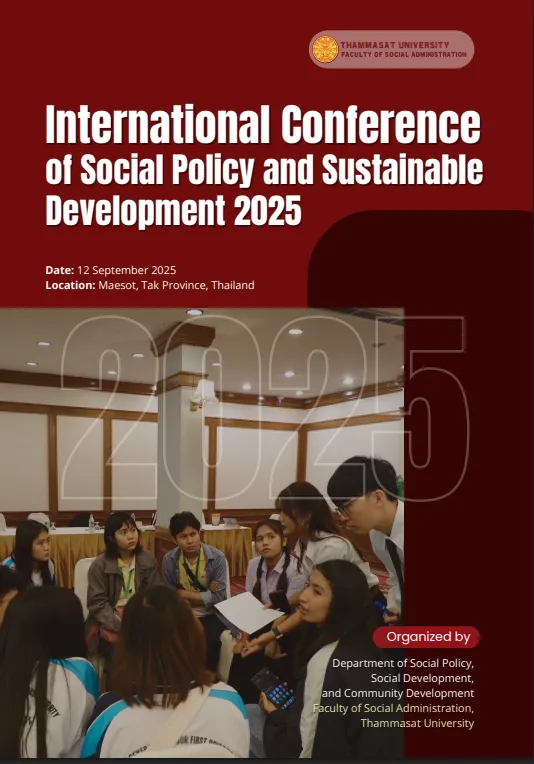
ICSD Proceeding 2025 - Part 1
Click to download
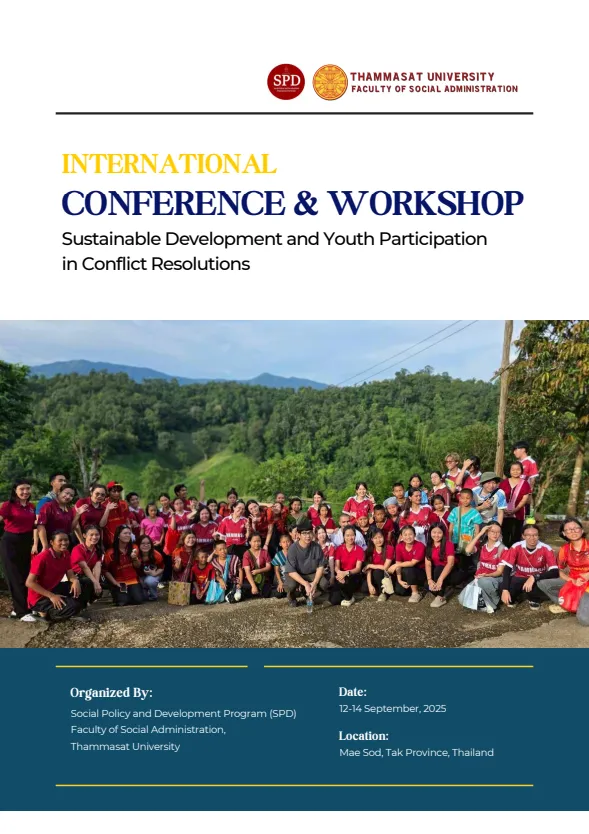
ICSD Proceeding 2025 - Part 2
Click to download
SPD Project Lab
Turning ideas into action
SPD Project Lab is a practical learning space where students turn ideas into action. The lab supports student projects that address social problems and create meaningful community impact.
Project Themes
Community empowerment
Youth participation
Social innovation
Education access
Mental health awareness
Environmental sustainability
Inclusive public spaces
Support for vulnerable groups
Digital tools for social development
Volunteer and advocacy campaigns
Young Executive for Executing Social Innovation
Young Executive for Executing Social Innovation” frames youth not just as passive learners of policy, but as active managers and implementers of real-world change. For Social Policy and Development (SPD) students, this title represents a mindset shift from studying social issues to actively engineering, financing, and scaling solutions.
From Policy to Global Pitch: Main Activity Highlights
The Project lab is to take students through the full lifecycle of social impact—from initial idea to international presentation:
- 1. Social Innovation Incubator: Students analyze pressing social policy gaps and transform classroom theories into market-ready social enterprises or community interventions.
- 2. Masterclasses in Executive Execution: Specialized training in project management, financial sustainability, impact measurement, and executive communication.
- 3. The Global Competition Track: Dedicated coaching sessions focused on presentation design, story-building, and high-stakes pitching to prepare student innovations for major global hackathons, summits, and venture platforms.
- 4. Global Showcase & Pitch Day: A live stage where student teams present their finalized social innovations to an international panel of judges, investors, and policy experts.